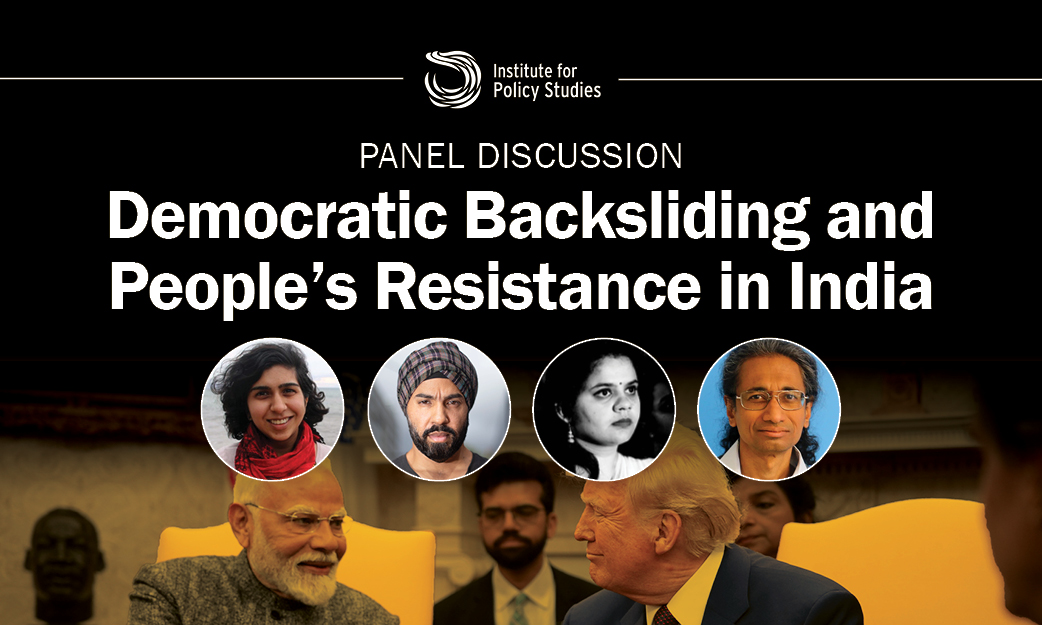
The Bharatiya Janata Party (BJP) government led by Prime Minister Narendra Modi, Steve Bannon’s favorite foreign dictator, has been in power in India for eleven years, winning reelection twice.
Over this period, the BJP government has systematically demolished India’s imperfect, but functioning, democracy. They have attacked press freedom and criminalized dissent. They have instigated mob violence against Muslims and other religious minorities, and shielded the perpetrators of this violence from legal consequences. They have infiltrated the judiciary, the nominally nonpartisan bureaucracy, and government educational institutions, undermining their independence.
Their influence and repressive reach have extended beyond India’s borders, to include a targeted program of assassination directed at Sikh dissidents in the U.S, Canada and elsewhere, and growing influence on electoral politics in other countries, including ties with both major U.S. political parties. They have also forged alliances with the global far right, including in the U.S.
Indian social movements have resisted this onslaught and carved out some important wins, even as the larger project of far-right Hindu nationalism remains entrenched in both political power and popular culture.
As the U.S. slides into full-blown authoritarianism, what lessons can we learn from the experience of India? Join our panel of experts to learn more.
- Ria Chakrabarty, Senior Policy Director, Hindus for Human Rights
- Arjun Sethi, Adjunct Professor of Law, Georgetown University
- Aabha Muralidharan, independent researcher, writer, and photographer
Moderator: Basav Sen, Climate Policy Director, Institute for Policy Studies
This session is the sixth in a monthly IPS series on: Lessons from Resistance to Authoritarianism Around the World.